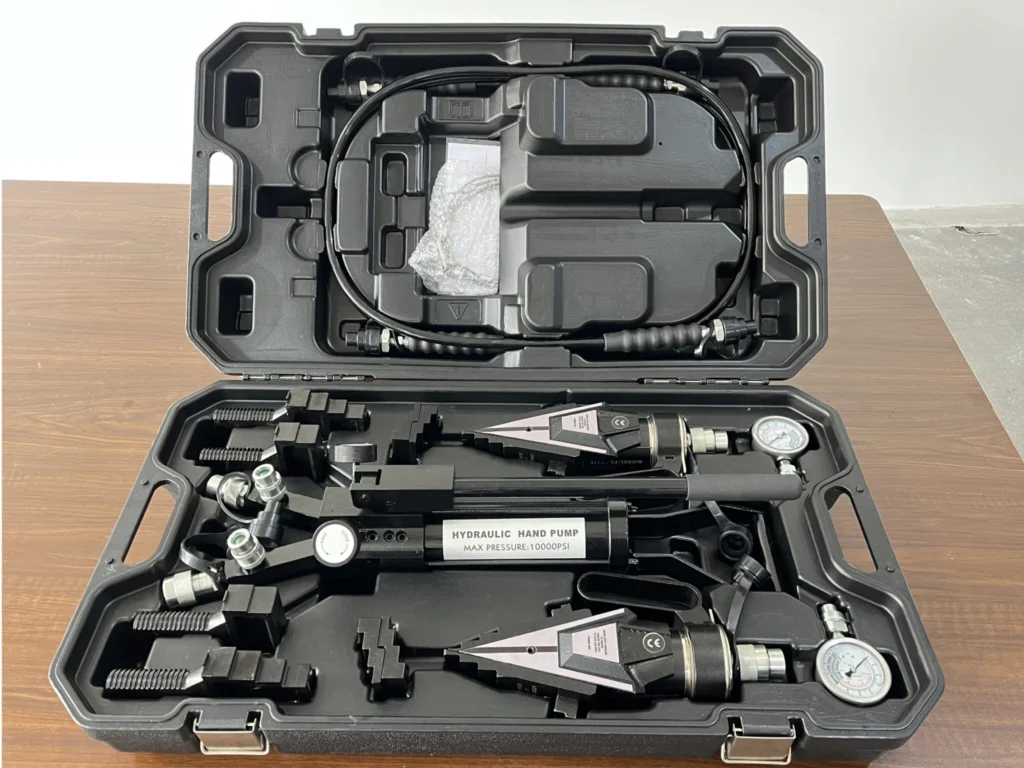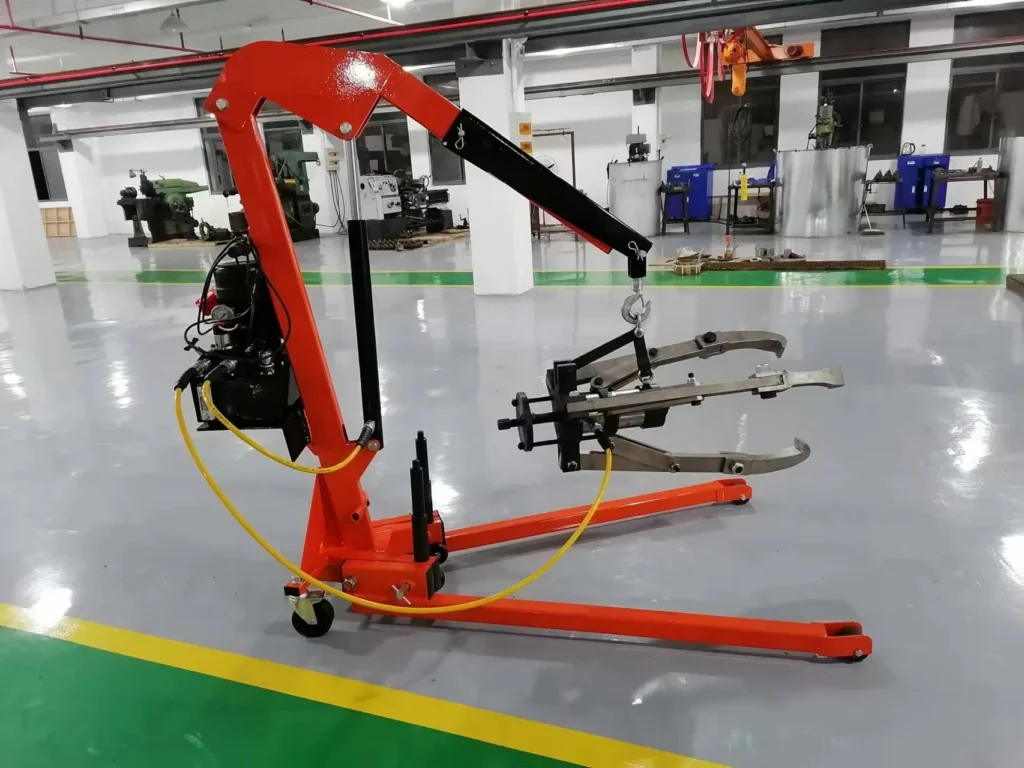
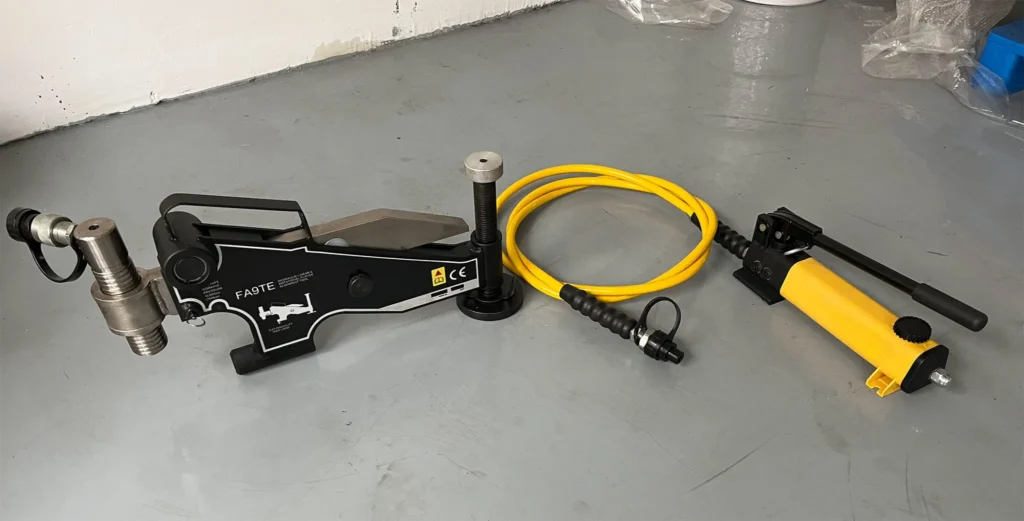
Flange alignment tools are essential for ensuring flanges are properly aligned before they are bolted together. These tools come in a variety of shapes and sizes, but most commonly, they feature two or more magnets that attach to the flange faces. The tool then provides a visual indicator of the relative position of each flange face, allowing the operator to make adjustments as needed.
Tool Selection Considerations
When choosing a flange alignment tool, you must consider several factors. The first thing to consider is the size of the tool. It should be able to fit the flanges that need to be aligned without being too small or too large. The second consideration is the durability of the tool. It should be made of high-quality materials and designed to withstand frequent use.
Another important factor when choosing a flange alignment tool is its ease of use. It should be easy to operate, even for someone with limited experience using such tools. Additionally, the accuracy of the tool’s measurements is critical to ensuring accurate alignment of the flanges.
Using flange alignment tools requires proper technique and safety precautions. The operator must ensure that all bolts are properly tightened before removing any clamps or shims used in the alignment process. Additionally, hands and clothing must be kept away from moving parts during operation to prevent accidents or injuries. Ultimately selecting the right flange alignment tool will help ensure safe and efficient operations while minimizing downtime caused by equipment failure due to misalignment or misalignment errors.
Potential Problems with Misalignment
Misalignment is a common problem in flange connections and can lead to major issues such as leaks, equipment failures, and safety hazards. In most cases, misalignment is caused by improper installation or maintenance practices. One way to address this problem is to use a flange alignment tool. This device helps ensure that the two mating flanges are properly aligned before tightening the bolts.
To properly use the flange alignment tool, first clean both flanges and remove any debris or rust from the area where the gasket will be. Place the tool on one of the flanges and adjust it until it is flush with the surface. Next, rotate it 180 degrees and repeat on the other side of the same flange. Then continue to align the second mating part of the connection using similar steps.
Using an alignment tool will significantly reduce misalignment issues when joining two pipes together, but there are still some potential challenges to consider when implementing this method in practice. One challenge is ensuring that you have secured both ends of the pipe so that they do not move during the inspection process; otherwise, introducing additional stress points into the system may cause more harm than good. Another challenge can be finding the right tool for larger diameter applications or working in areas with limited work space, which requires specially designed equipment to effectively handle these situations while maintaining the level of precision required for precise alignment results during installation.
Conclusion: Properly Aligned Flanges
In summary, maintaining proper flange alignment is crucial for achieving optimal equipment performance and safety. By following these simple steps when using flange alignment tools, you can help prevent leaks and other problems caused by misalignment or loose connections between pipes or other equipment components. You can choose from our four flange alignment tools to handle these situations: FA1TM, FA4TM, FA9TE, and FA9TM.