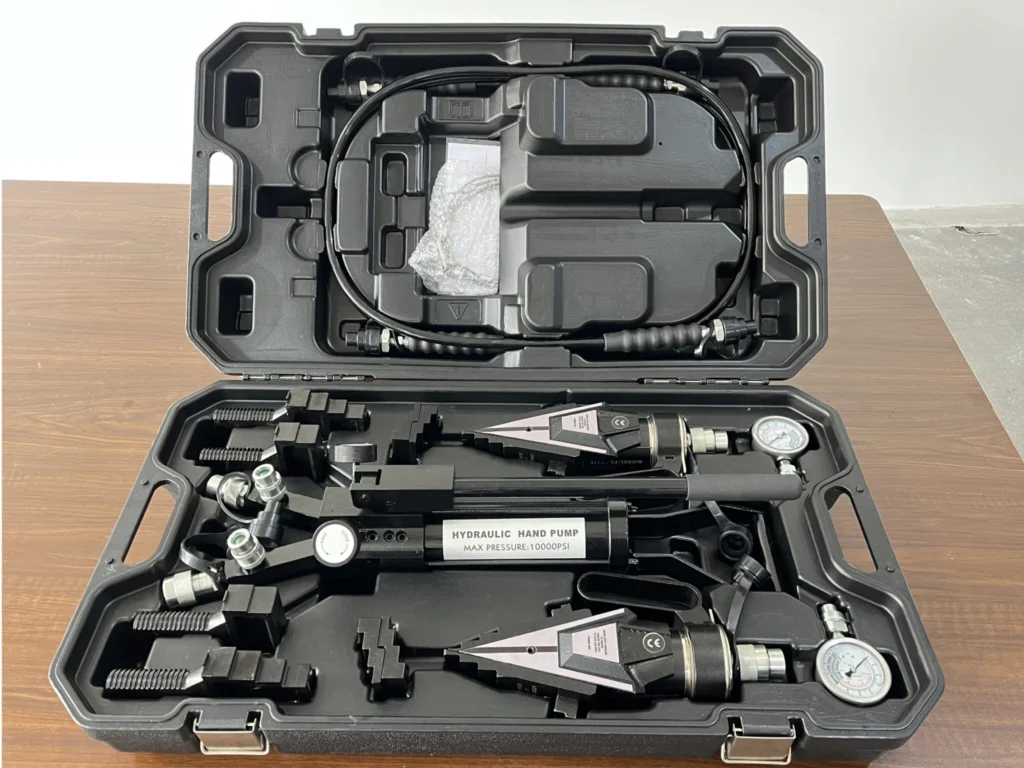
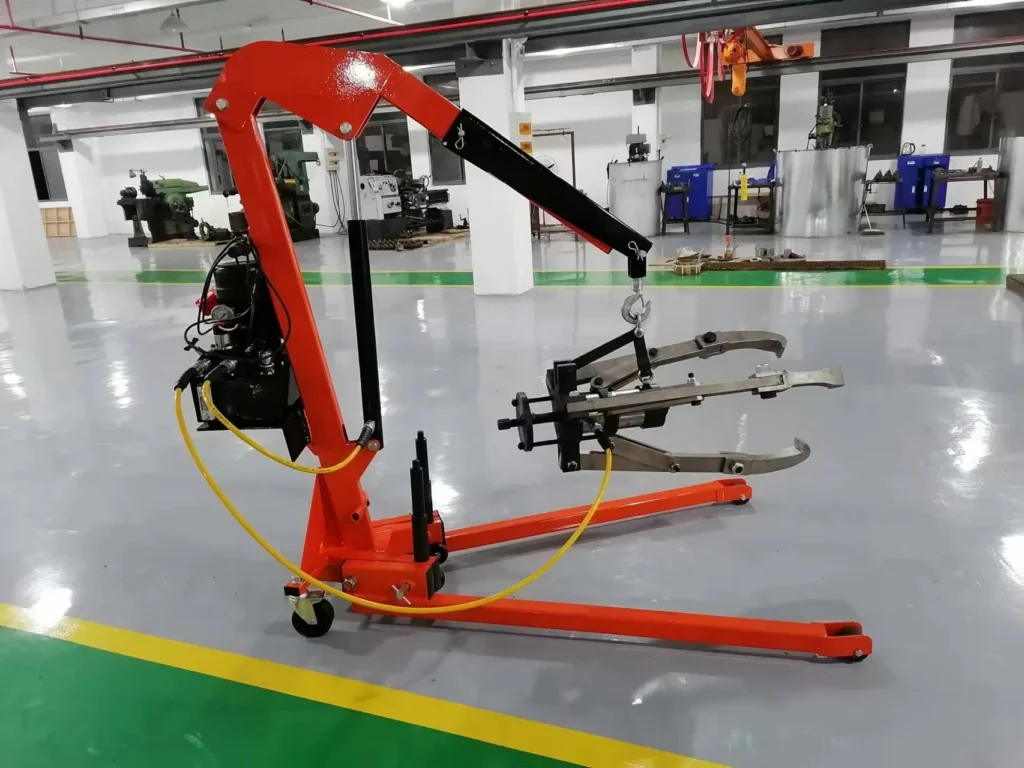
When working on complex machinery, it is important to have the right tools. Hydraulic pullers are an important tool for loosening and removing components in many industrial systems. Choosing the right hydraulic puller can save time and money while ensuring safe operation. This article provides a clear guide to selecting a reliable hydraulic puller that will meet all your requirements.
What is a hydraulic puller?
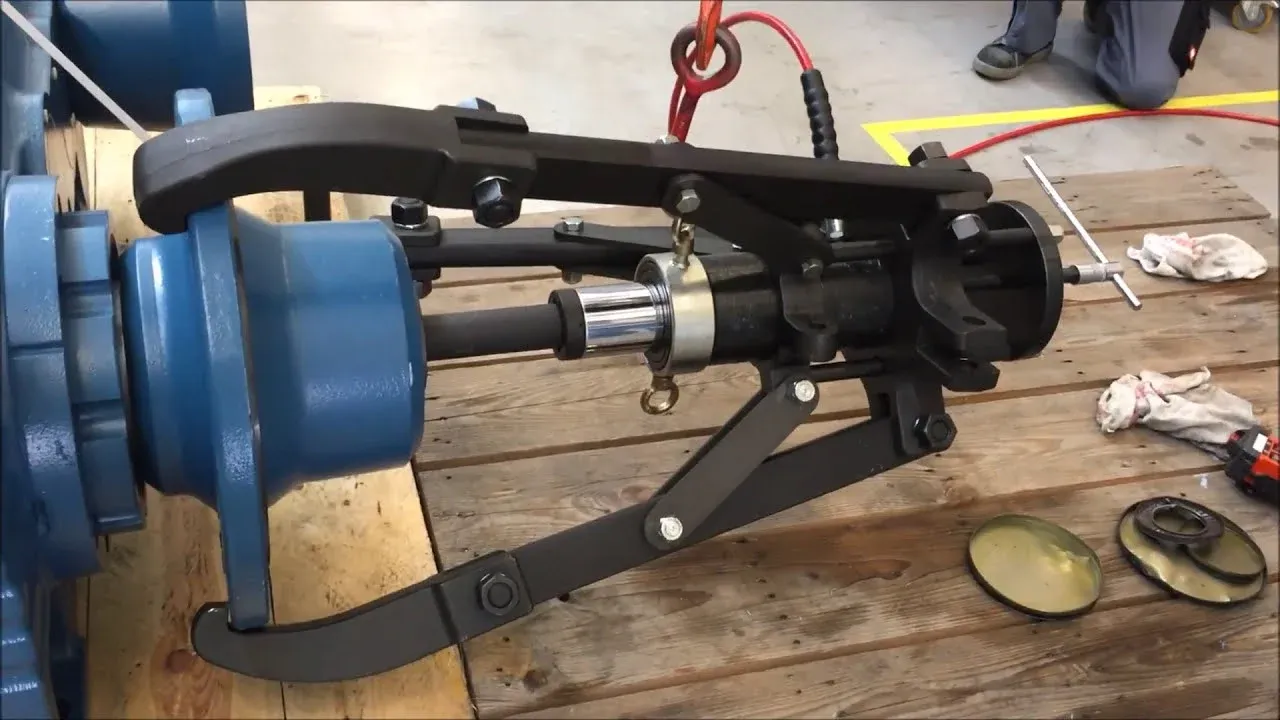
A hydraulic puller is a machine tool used to separate press-fitted parts. It works by generating a strong pulling force to remove the component from the shaft or housing. The hydraulic system has a smooth pressure to ensure accurate and safe operation.
Types of hydraulic pullers
There are four main types of hydraulic pullers: jaw pullers, slide hammer pullers, clamp pullers, and bearing pullers. Each type is designed to handle different applications and has its own unique features. Claw pullers are the most versatile hydraulic pullers and have a wide range of applications. They have adjustable jaws that can grip a variety of objects and are ideal for pulling gears, bearings, pulleys, and other components.
Slide hammer pullers use a sliding counterweight to generate force and remove stubborn parts like shafts or ball joints. Gripping pullers are similar to claw pullers, but have two sets of claws that can grab opposite sides of an object at the same time. This design makes them ideal for removing items like gears or bearings from tight spaces where standard pliers-style hydraulic pullers don't have enough clearance.
Finally, bearing pullers are specifically designed to remove bearings from shafts or housings without damaging any components. They are available in two-jaw and three-jaw designs with different locking mechanisms depending on the application. By understanding the strengths and weaknesses of each type with respect to your specific needs, you can select the right hydraulic power unit for your project.
Factors to Consider When Choosing the Right Puller
When choosing a hydraulic puller, there are a variety of factors to keep in mind. One of the main considerations is the size and shape of the component that needs to be removed. Since hydraulic pullers come in different sizes and capacities, it is imperative to determine the right product for your specific application.
Another factor that should not be overlooked is the type of fittings you need for your job. Different types of fittings can affect how easily or efficiently you can remove a part. For example, a threaded fitting may require more force than a flat surface, which may ultimately affect your choice of hydraulic puller.
When choosing a reliable hydraulic puller, you also need to consider its durability and quality. A well-made hydraulic puller can last for years if properly cared for, while a poorly designed one may break after just a few uses. It pays to invest in high-quality equipment because it will save you money by reducing downtime and maintenance costs, as well as frustration over time.
Safety and maintenance tips
Safety and maintenance tips are essential when choosing a reliable hydraulic puller. To ensure operator safety and the longevity of the tool, it is important to follow proper maintenance procedures. Proper maintenance includes regular cleaning, lubrication, inspection for damage or wear, and replacement of any damaged or worn parts.
In addition to maintenance, it is also important to follow safety procedures when using a hydraulic puller. Operators should always read and understand the manufacturer's instructions and warning labels before use. They should also wear appropriate personal protective equipment, such as goggles and gloves. When operating a hydraulic puller, users must not exceed its maximum capacity or use it for purposes other than its intended purpose.
Overall, by properly maintaining your hydraulic puller and following safety guidelines when using it, you can ensure its reliability and longevity while keeping yourself safe from injury.
Cost Considerations
When choosing a reliable hydraulic puller, cost must be considered. Hydraulic pullers range in price depending on their size and capacity, as well as the features they offer. Before purchasing, it is important to determine your needs and budget.
One cost consideration to keep in mind is the initial purchase price of the hydraulic puller. While some models may appear more affordable, they may not offer all of the necessary features to meet your specific job requirements. On the other hand, investing in a higher-end model with additional features can reduce downtime and increase productivity, saving you money in the long run.
Additionally, maintenance costs should also be factored into your decision-making process. It is important to choose a hydraulic puller that requires minimal maintenance and has replacement parts that are easily available and affordable. Proper maintenance can extend the life of the equipment and ultimately save you money.
Conclusion
In conclusion, making an informed decision when choosing a reliable hydraulic puller is essential to ensuring that you invest in a tool that will effectively meet your needs. Conducting in-depth research on the different types of hydraulic pullers available on the market and their respective features is the first step to making an informed decision.
It is also important to consider factors such as the hydraulic puller's size and weight, durability, ease of use, maintenance requirements, and safety features. Reading reviews from other users who have purchased and used the same model can provide valuable insights into its performance and reliability.
Ultimately, taking the time to gather information and carefully evaluate your options will help you select a high-quality hydraulic puller that meets your specific needs. Remember to prioritize quality over cost, as investing in a reliable tool will save you time and money in the long run.