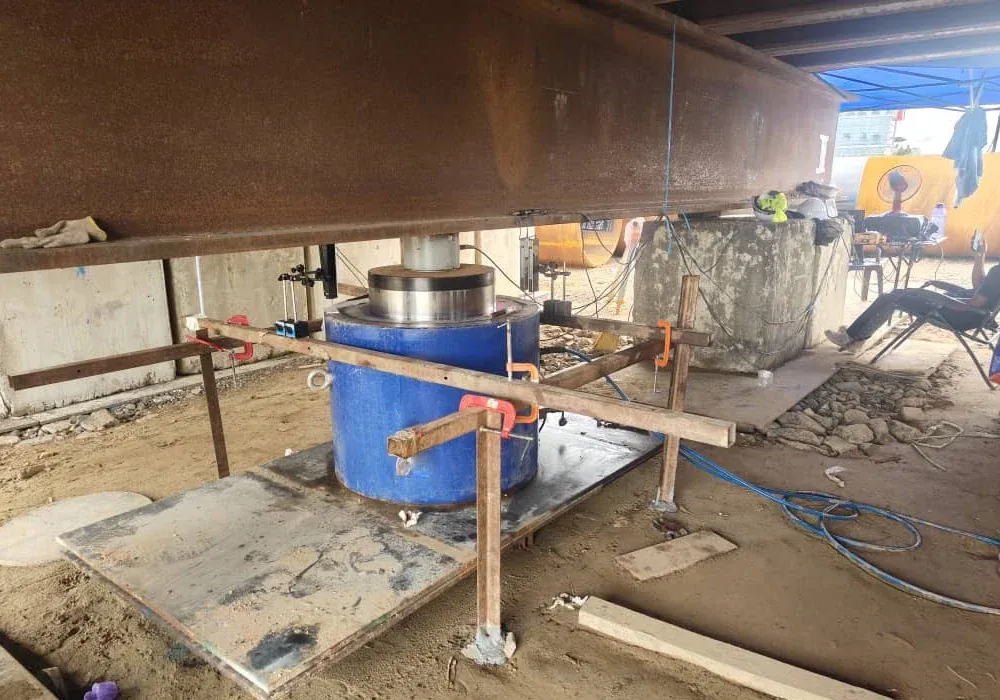
Static load tests on piles are used to measure the behavior of piles under known loads.
Static load tests involve applying a constant static load (Kentridge) to the top of the pile. The load is gradually increased. Typically, the pile is not tested for its full design capacity, but rather for a small portion of the design load. The resulting displacement is measured and compared with the applied load to verify the pile's geotechnical properties, including:
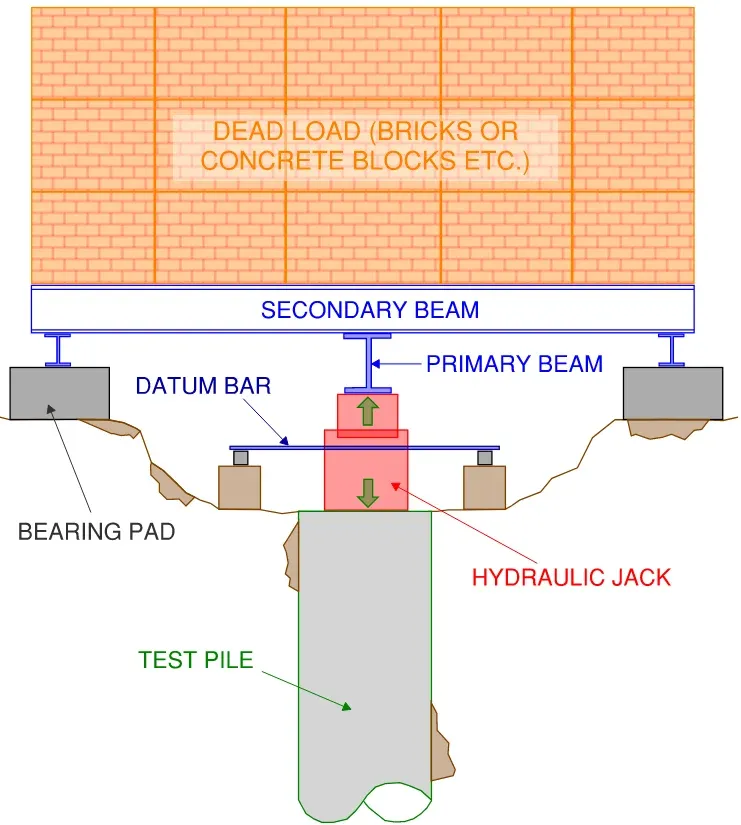
The arrangement and sequence of the static load test for standard piles are as follows:
1. Pile foundation construction
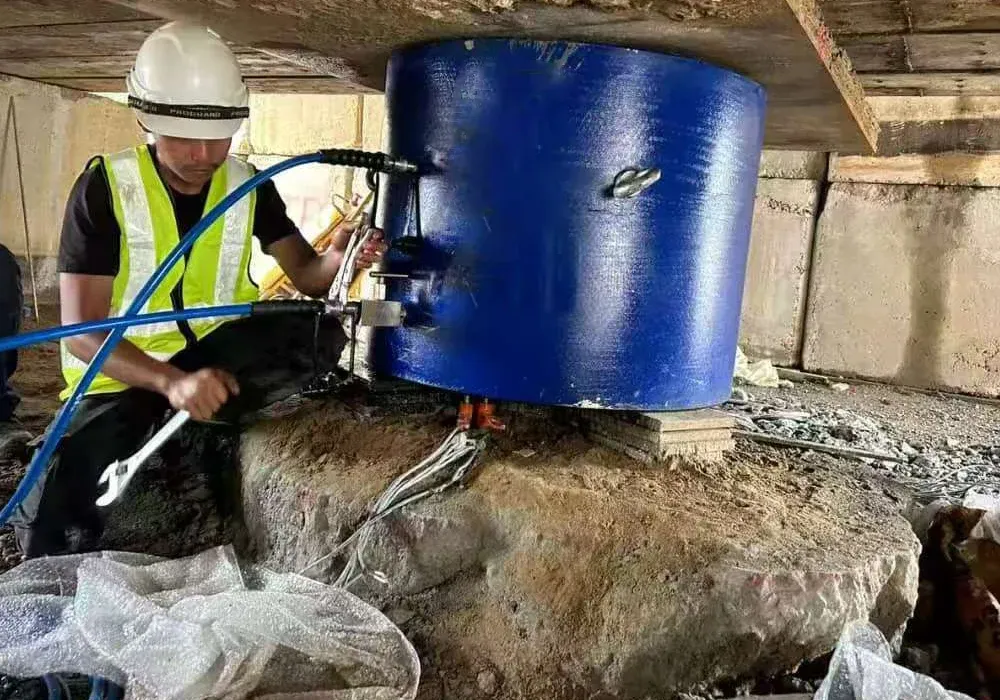
2.A. A hydraulic cylinder is installed on the pile head.
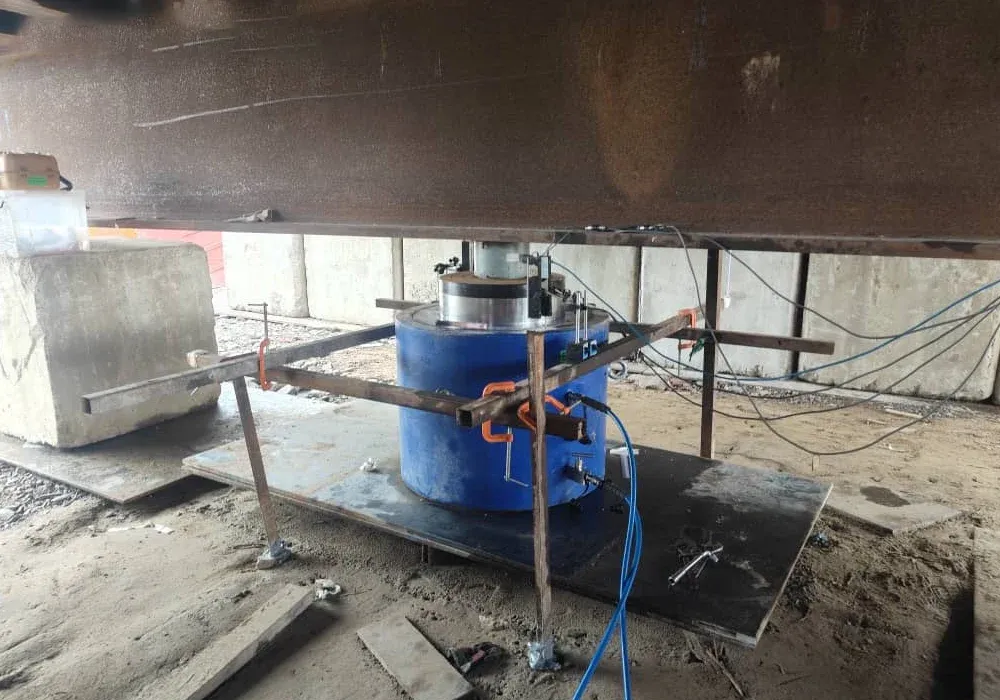
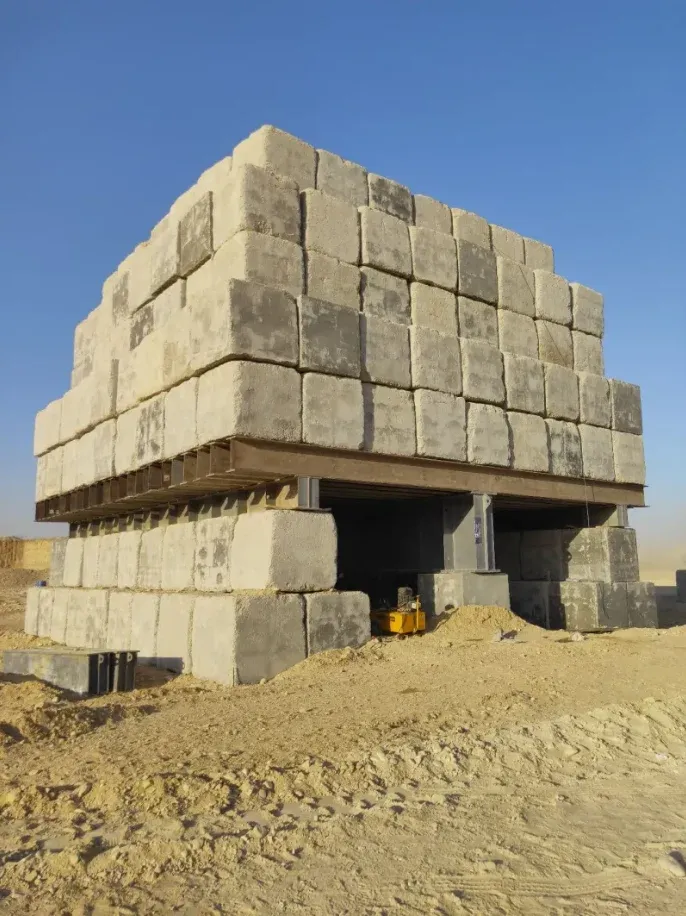
3. Install main and secondary steel beam trusses above the jacks to support the static load.
4. Set up a reference rod near the pile and hydraulic jack to provide a reference point for measuring the settlement of the pile after it is compressed.
5. Apply sufficient static loads to the grid system. These loads are determined in advance by the structural and geotechnical engineers. Static loads can be provided by any material, such as bricks, concrete blocks, or sandbags.
6. Hydraulic jacks are used to support the pile heads and the underside of the trellis main beam. The hydraulic jacks gradually expand, causing the load from the static trellis to the pile heads to gradually increase.
7. With each increase in load, use a benchmark rod as a reference to measure the pile settlement. This can be extrapolated later to verify the full design load on the pile.
The figure below shows a cross-section of this typical arrangement...
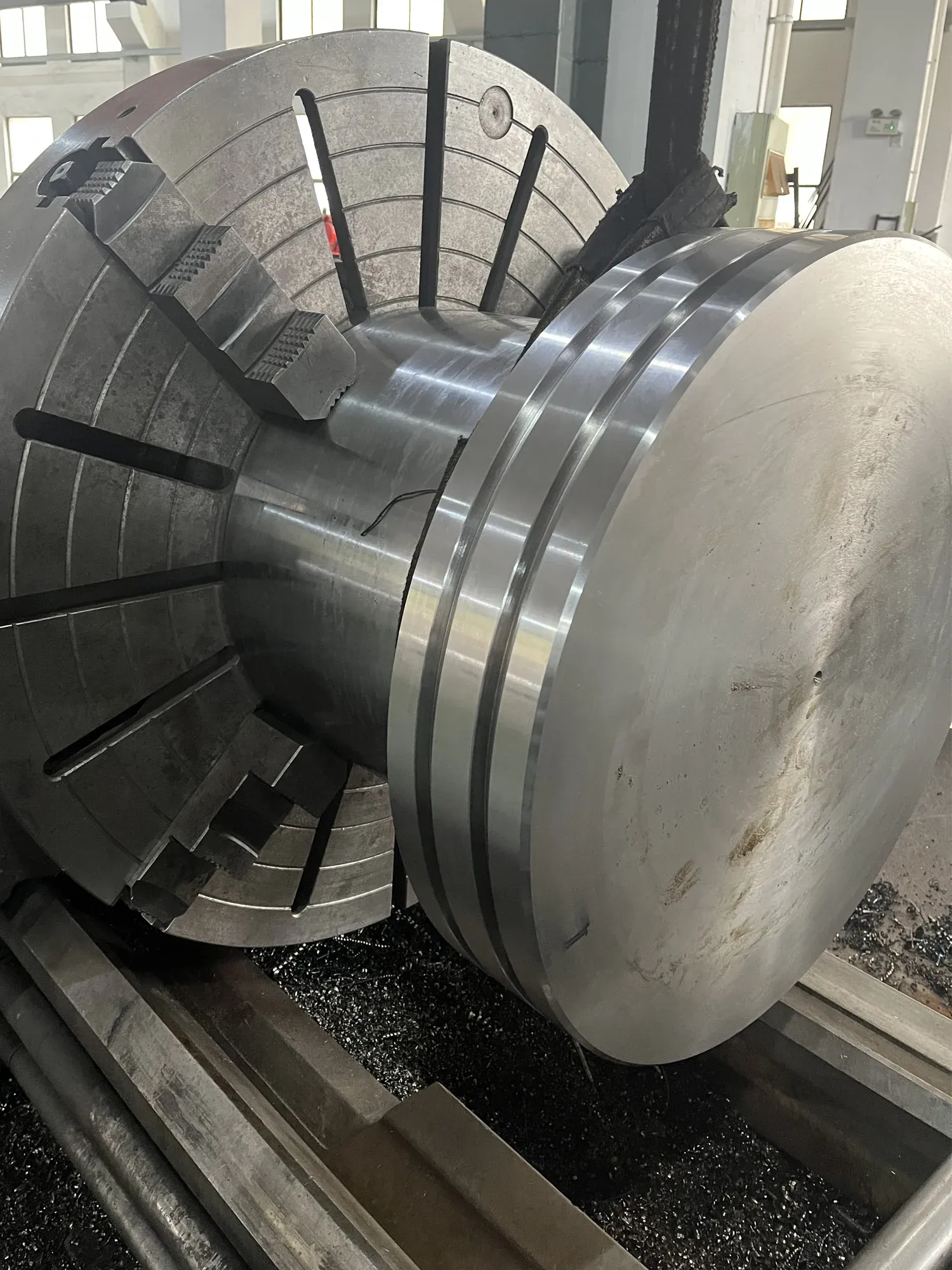
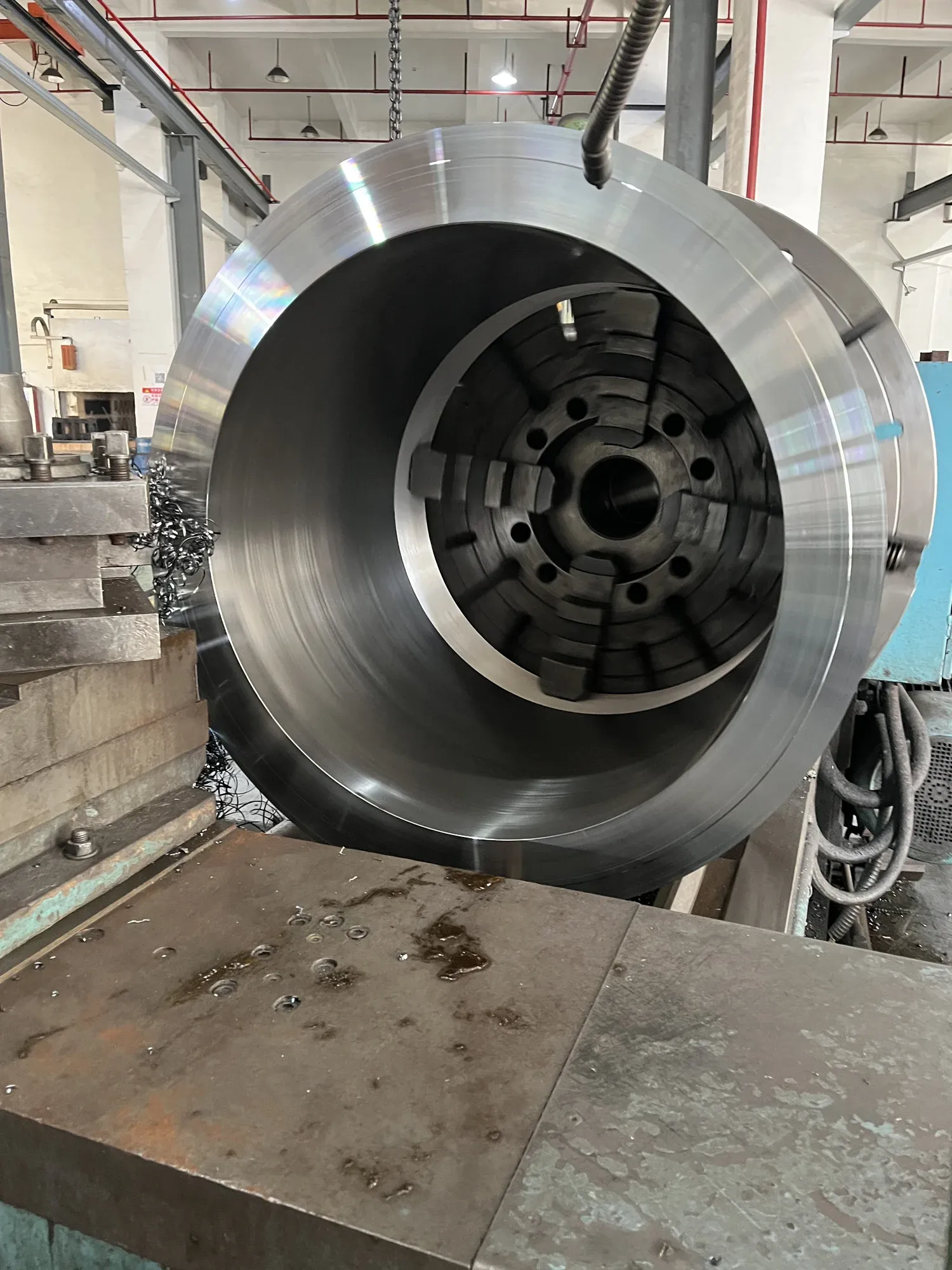
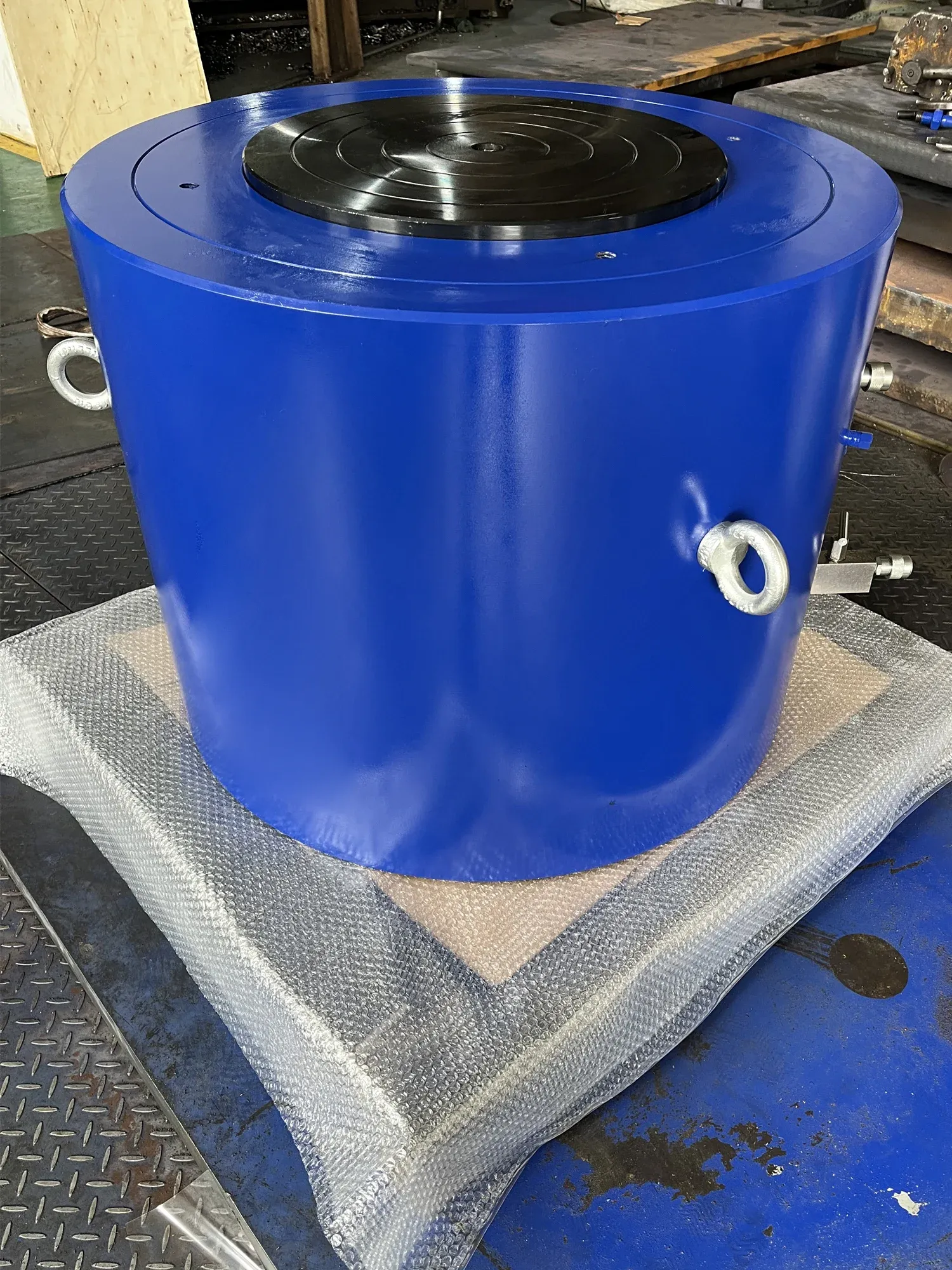
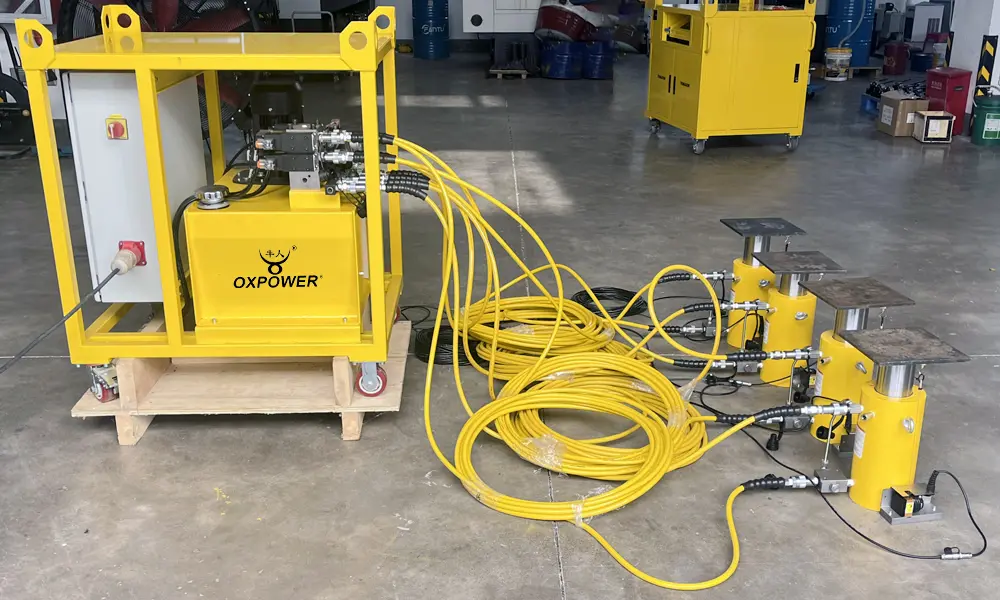
NiuLi Tools offers a product for this test: a 2500-ton RR series hydraulic cylinder made of high-alloy steel with a robust exterior paint finish, designed to withstand the most demanding applications. Advanced seals and chrome-plated piston plungers contribute to extended service life. This double-acting center-bore hydraulic cylinder has two connection ports, providing hydraulic flow for both piston advance and retraction. This offers more controlled retraction than a single-acting cylinder.