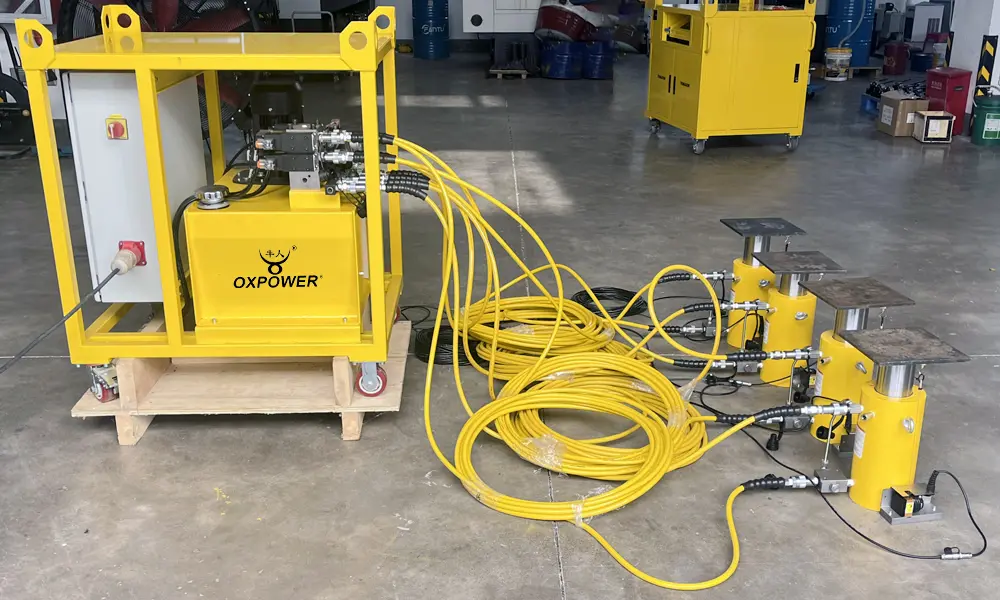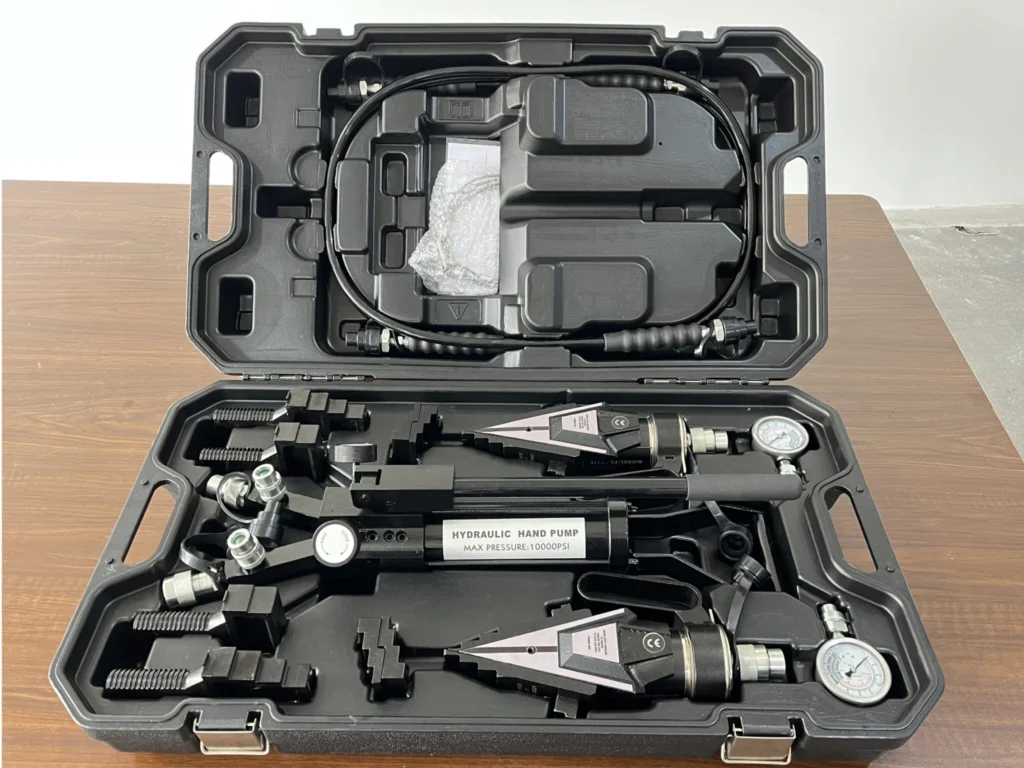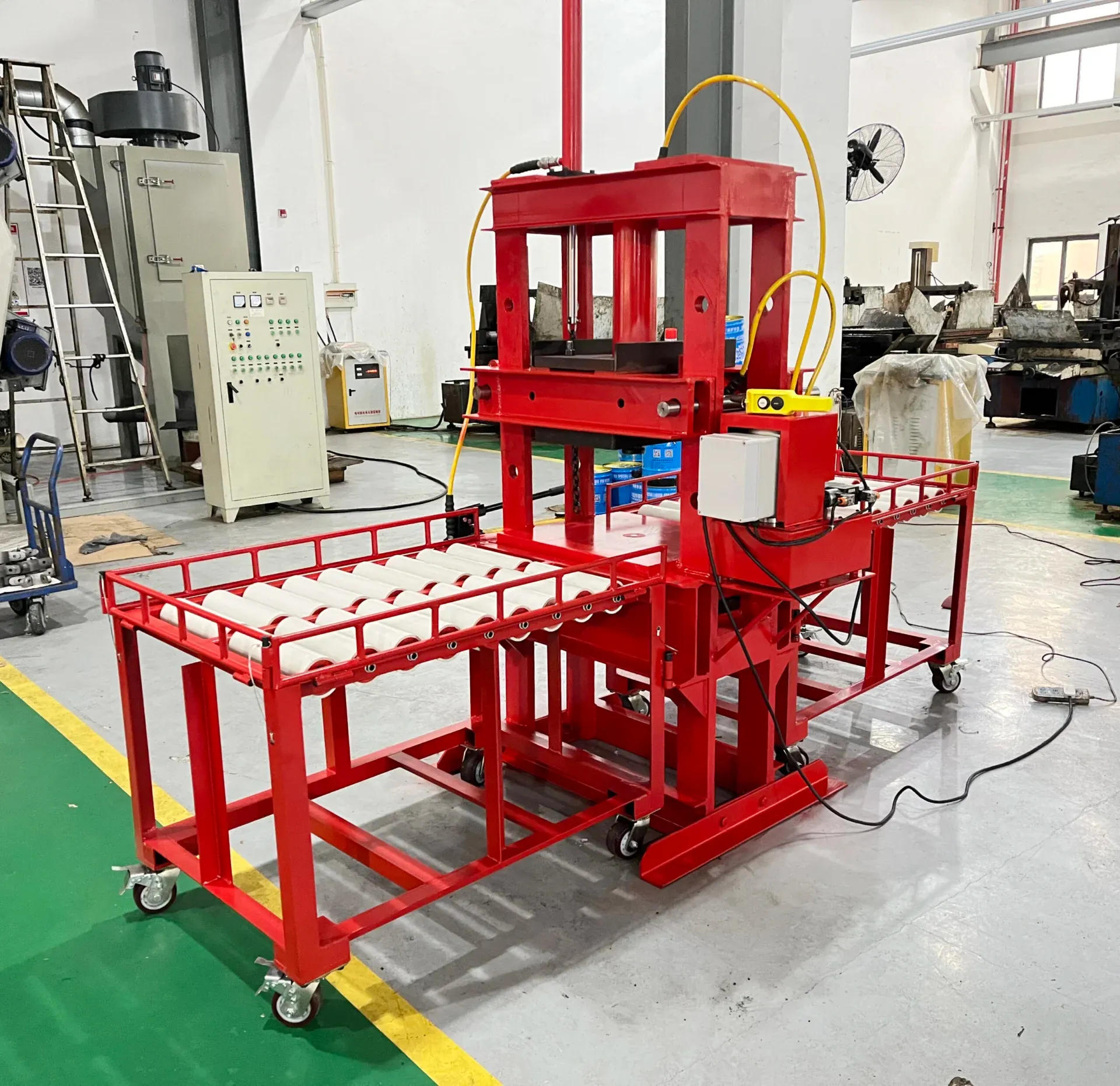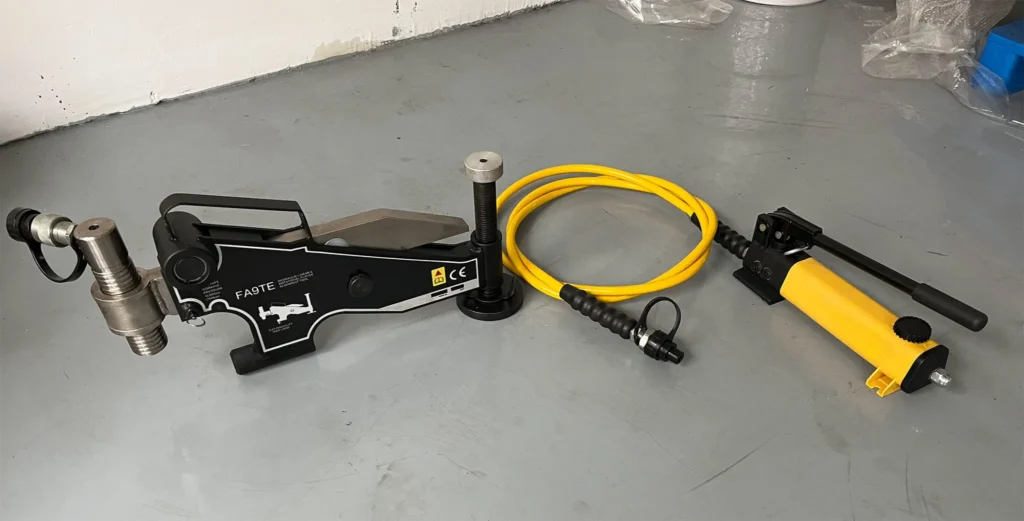
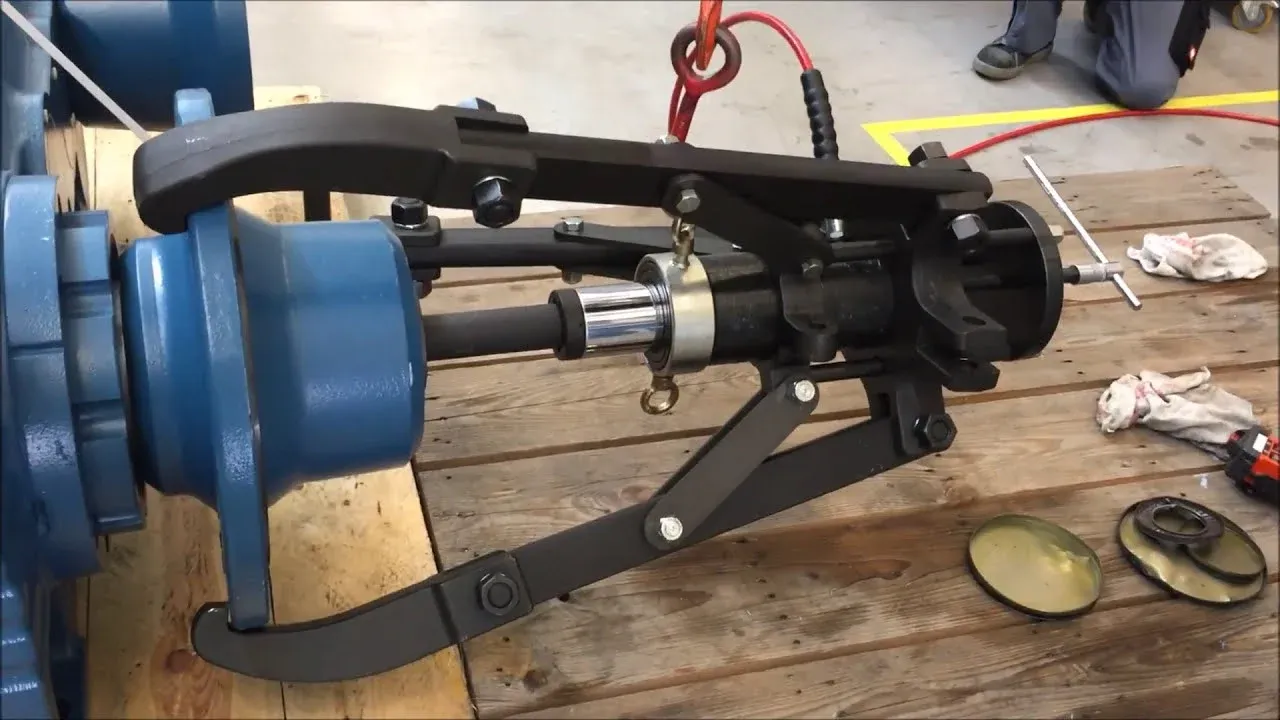
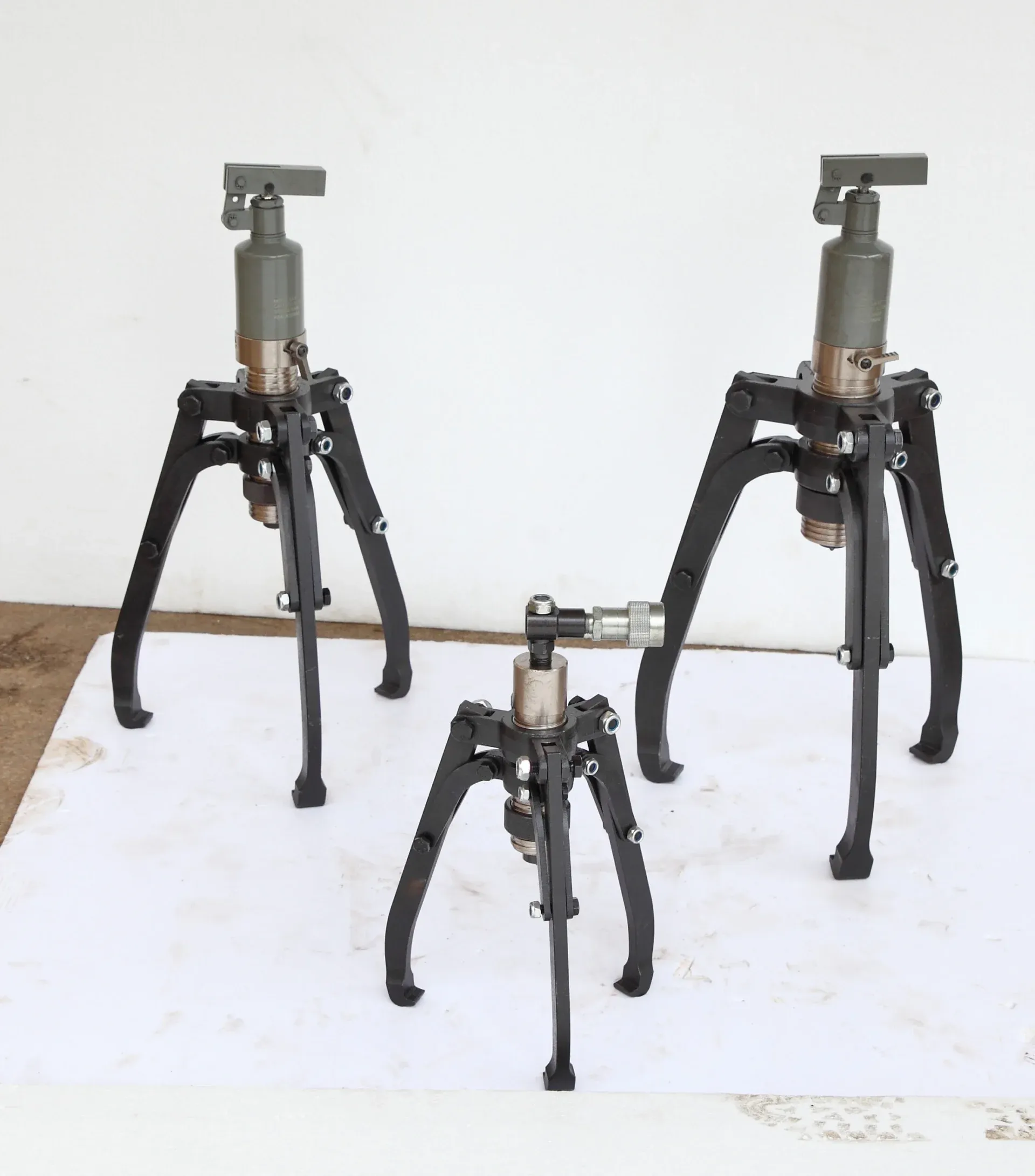
The hydraulic bearing puller moves the hydraulic actuator rod directly forward, so the rod itself does not rotate. The hook seat can be adjusted forward and backward along the line. During operation, simply swinging the handle slightly forward or backward will cause the hydraulic actuator rod to move forward or backward accordingly, pulling out the desired object.
Bearing removal; bearing puller
Using a bearing puller to remove bearings is particularly inexpensive, but its disadvantage is that careless operation can scratch the shaft. Due to differences in mechanical mechanisms and drive power, pullers can be divided into hydraulic pullers and mechanical pullers, as well as two-jaw pullers and three-jaw pullers. Before removing bearings, choose the appropriate type of puller from a puller manufacturer with sufficient capabilities to complete the task.
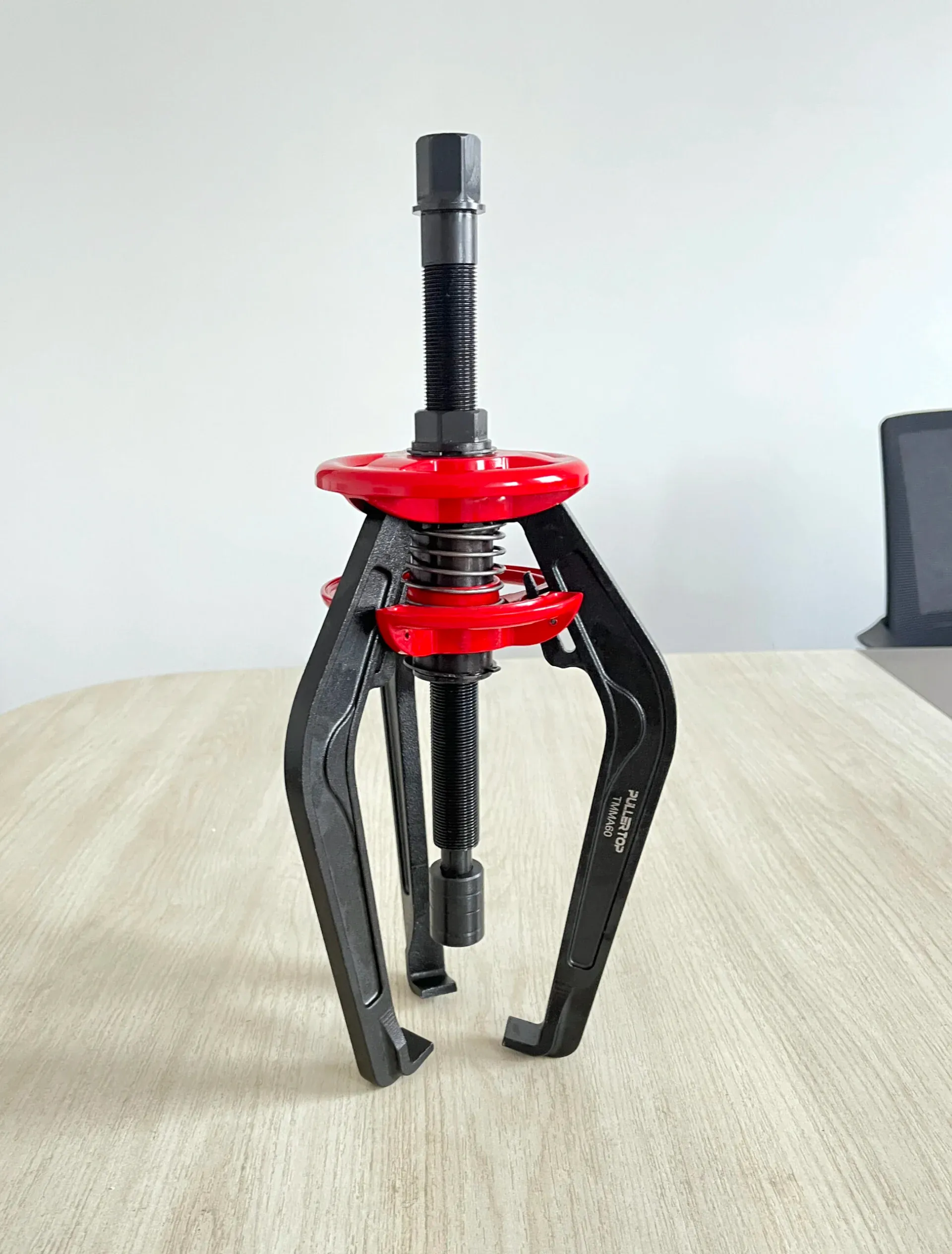
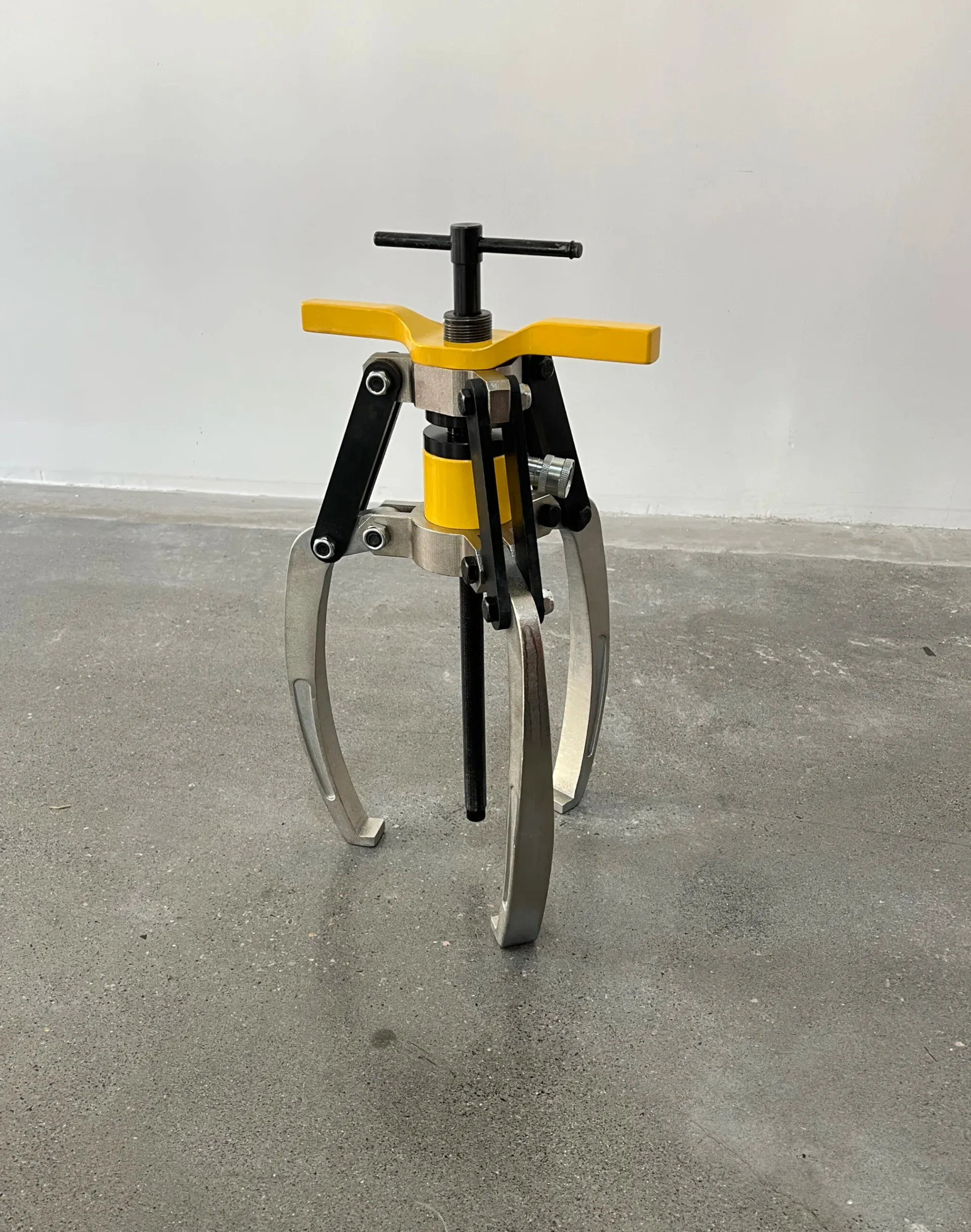
How to use a hydraulic bearing puller?
Hydraulic pullers come in small and heavy-duty versions. For information on how to use a small hydraulic puller, please read the following article.
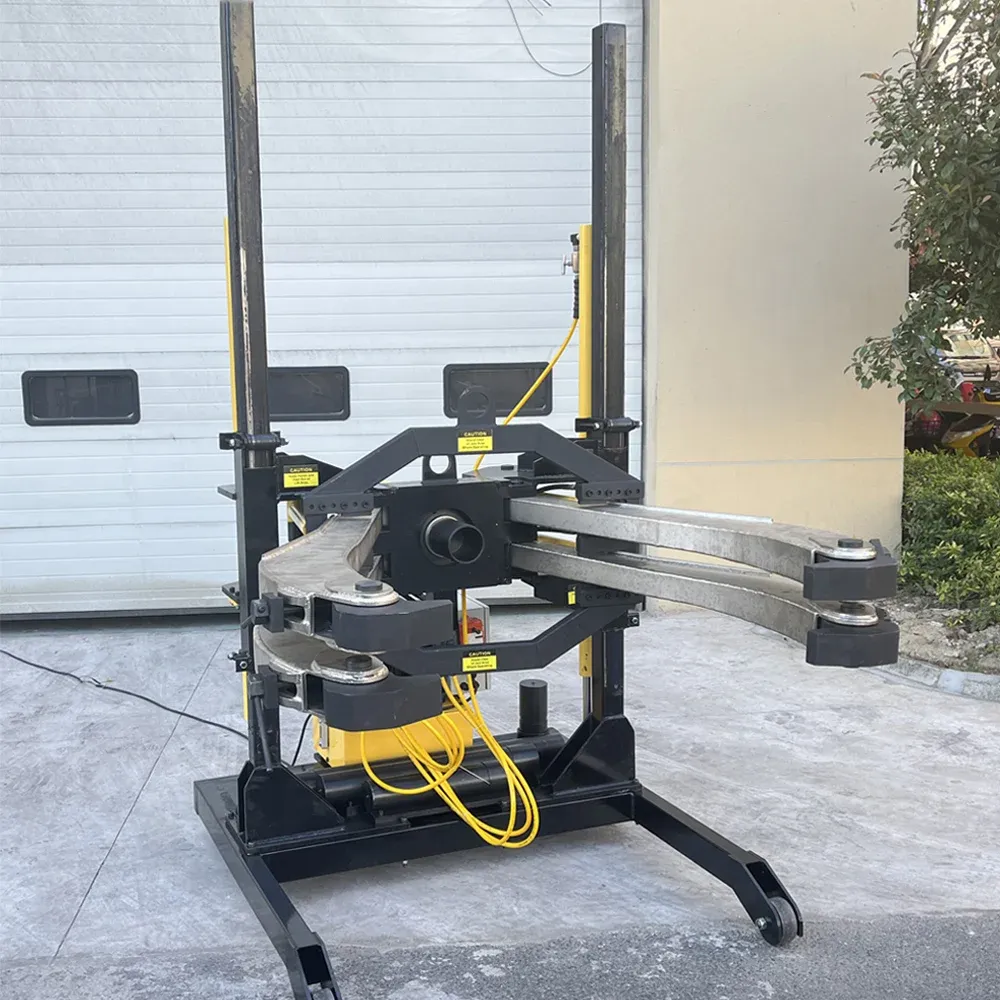
This article mainly introduces NiuLi Tools' heavy-duty hydraulic puller, with a pulling capacity between 50t and 300t.
Using a heavy-duty hydraulic puller typically involves several steps:
Preparation: Ensure the puller is in good working order and that all necessary safety precautions are in place. This includes wearing appropriate personal protective equipment (PPE), such as gloves and safety glasses.
Positioning: Move the gear puller to the location where the gear needs to be removed. The wheels at the bottom of the puller allow for easy movement and positioning.
Connection: Securely attach the puller arm or jaws to the gear to be removed. Ensure the connection point is secure and properly aligned with the gear.
Hydraulic setup: Connect a hydraulic pump to the hydraulic bearing puller to provide power and set a pressure gauge.
Apply pressure: Activate the hydraulic system to apply pressure to the puller. This will generate a force that gradually pulls the gear away from the shaft or mounting base.
Monitoring: Closely monitor the towing process to ensure it is smooth and safe. Check for any resistance or adhesion that may indicate a problem.
Pulling out: After fully pulling the gear out of its position, stop the hydraulic pressure and carefully remove the gear from the shaft or mounting bracket. Avoid sudden movements that could cause injury or damage.
Safety: After completing the gear removal task, store the gear puller in a safe location until it is needed again.
When using a hydraulic bearing puller, the manufacturer's product instructions and guidelines must be followed to ensure safe and effective operation. Furthermore, appropriate training and experience are also important for the operator.